For just a few weeks every year, the Golden Terraces in Uttarakhand put on a show that even locals don’t take for granted. The paddy fields carved into steep hillsides centuries ago turn a shimmering gold under the late September sun. Stand anywhere in these valleys right now, and you’ll feel like the fields are glowing back at you.
But blink, and you’ll miss it. By mid-October, the first fog of winter rolls in, smudging the golden light into grey.
I’ve been lucky enough to witness this transition once, sipping chai at a homestay balcony in Kausani while the fields below burned golden in the morning sun, only to vanish under thick mist an hour later. It feels like nature is teasing you with a short-lived masterpiece.
Why the Fields Turn Golden
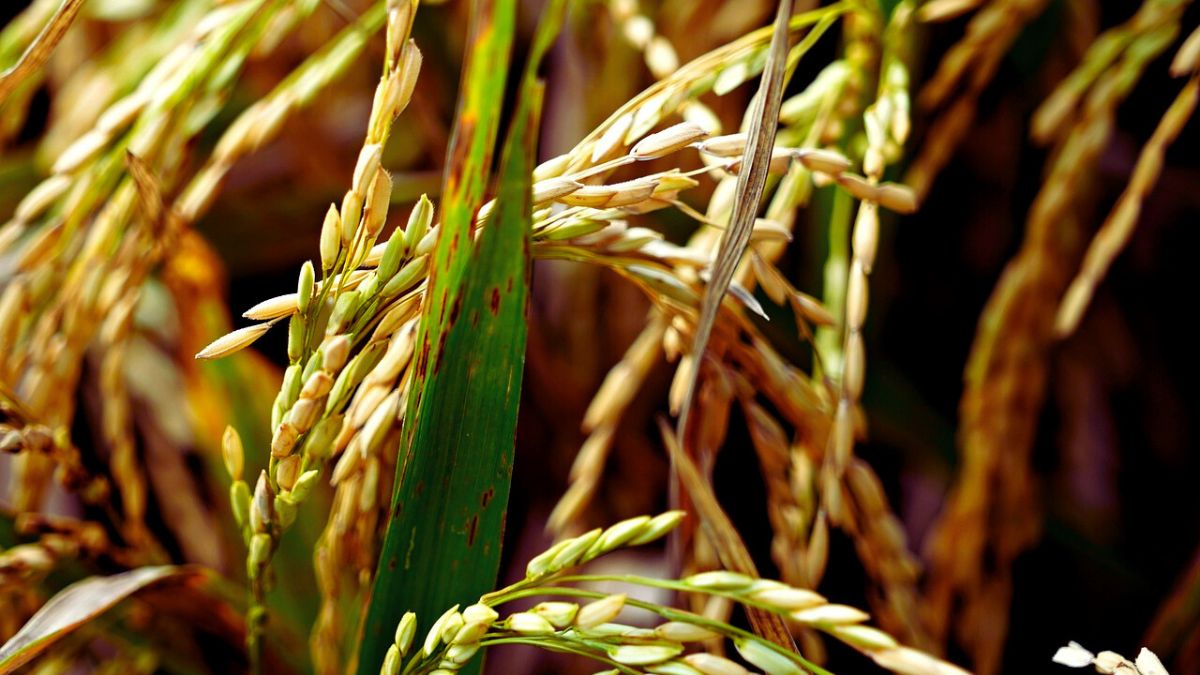
Farmers across Kumaon and Garhwal grow rice on terraced slopes. As harvest season nears in late September, the crop changes from green to a deep yellow-gold. Against the pine forests and the snow peaks of Trishul or Panchachuli, the sight is unreal.
Unlike lakes or meadows that stay beautiful year-round, these terraces only shine for two or three weeks. Once harvest is over, the fields are bare, and soon winter locks the valleys in fog. That’s why villagers often say: “If you miss it this year, you wait another 12 months.”
Where to See the Golden Terraces in Uttarakhand
Munsiyari (Pithoragarh)
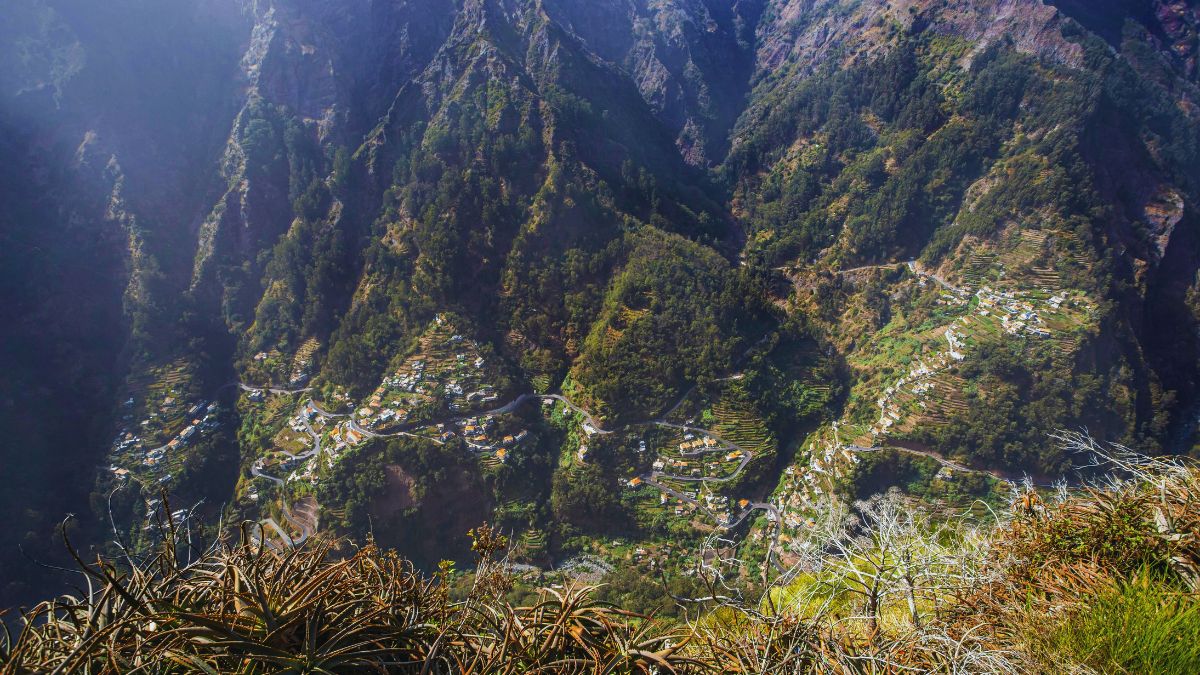
With the Panchachuli peaks watching over, villages like Darkot and Sarmoli turn into golden postcards. Farmers here often welcome travelers with stories about the hard work behind those glowing fields.
Kausani (Bageshwar)
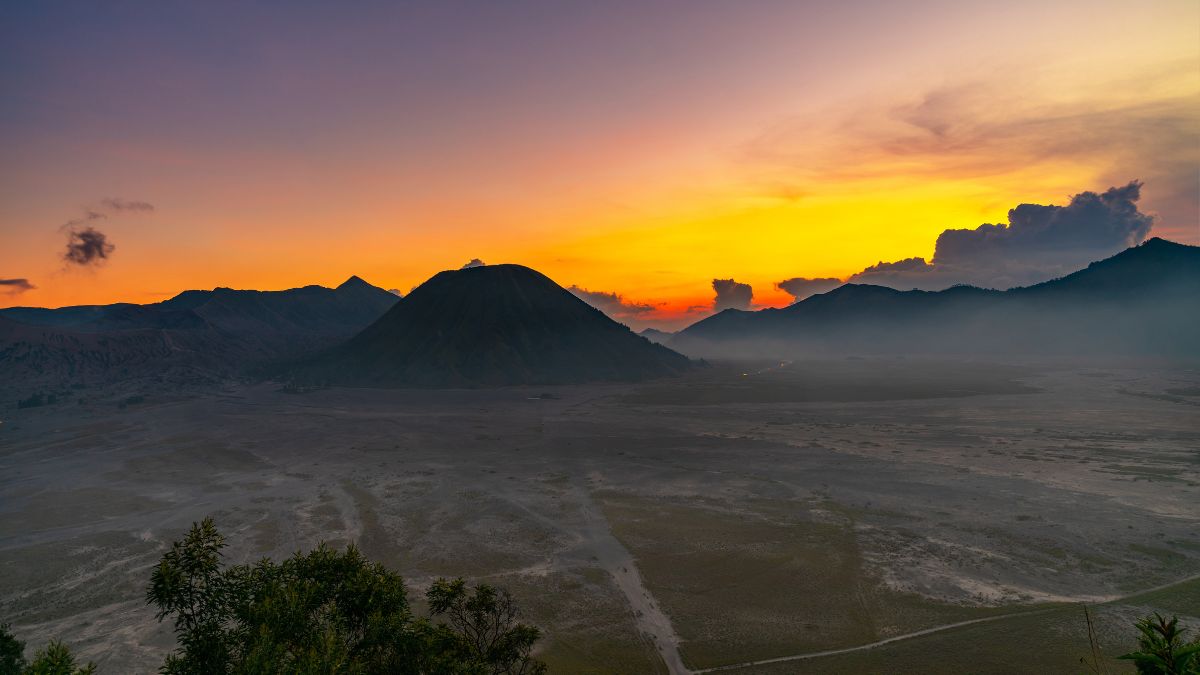
Called the “Switzerland of India”, Kausani’s golden terraces look magical at sunrise. The whole valley seems lit from within while the Himalayan skyline frames the scene.
Mukteshwar (Nainital)
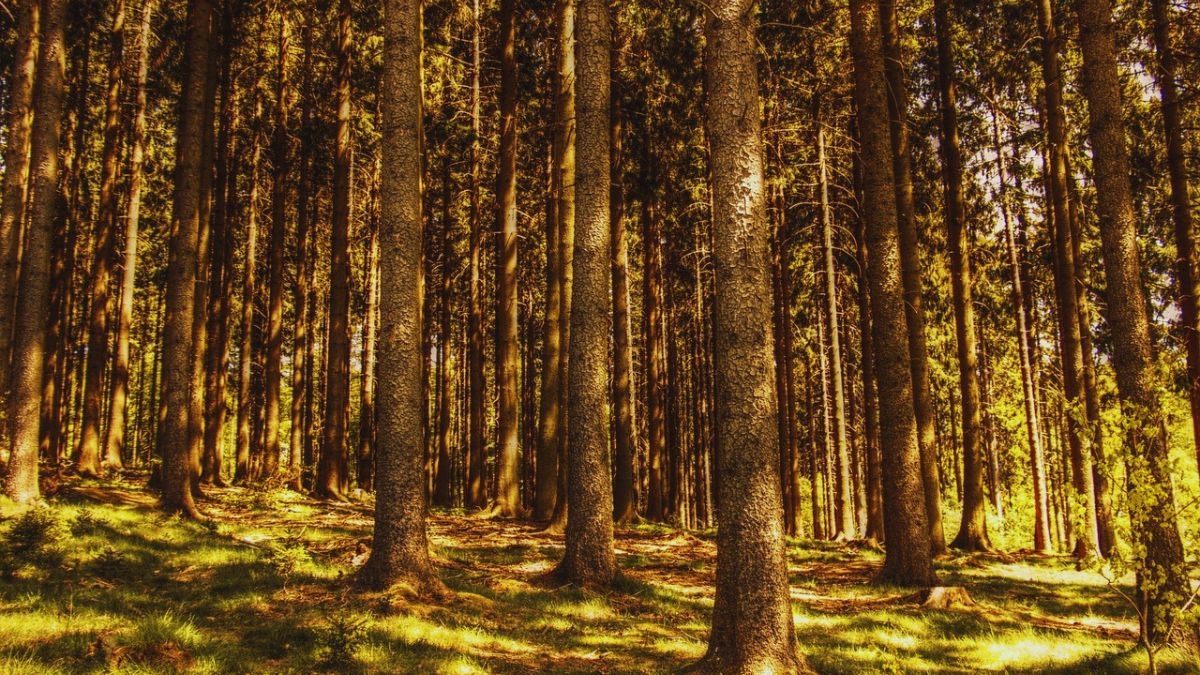
Easy to reach from Delhi, Mukteshwar’s surrounding villages glow bright in September. Walks here are a mix of golden fields, pine forests, and swirling fog.
Chopta–Ukhimath (Rudraprayag)
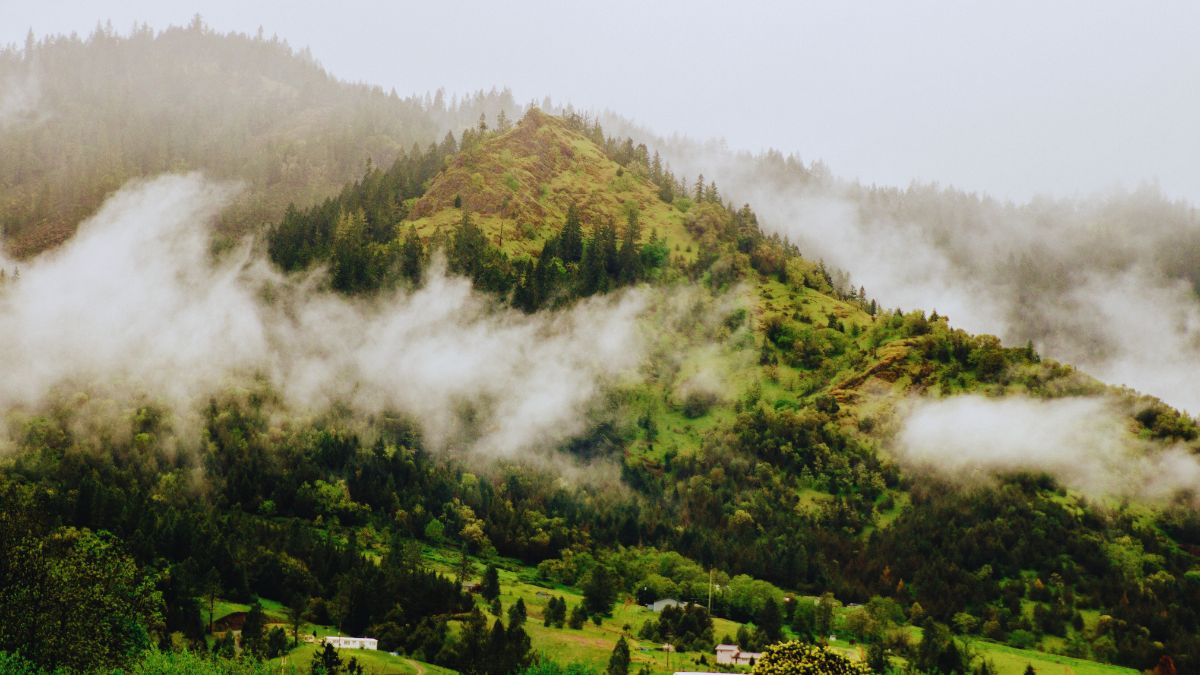
On the road to Tungnath and Kedarnath, small hamlets near Ukhimath sparkle with golden rice before snow takes over.
Lohaghat (Champawat)
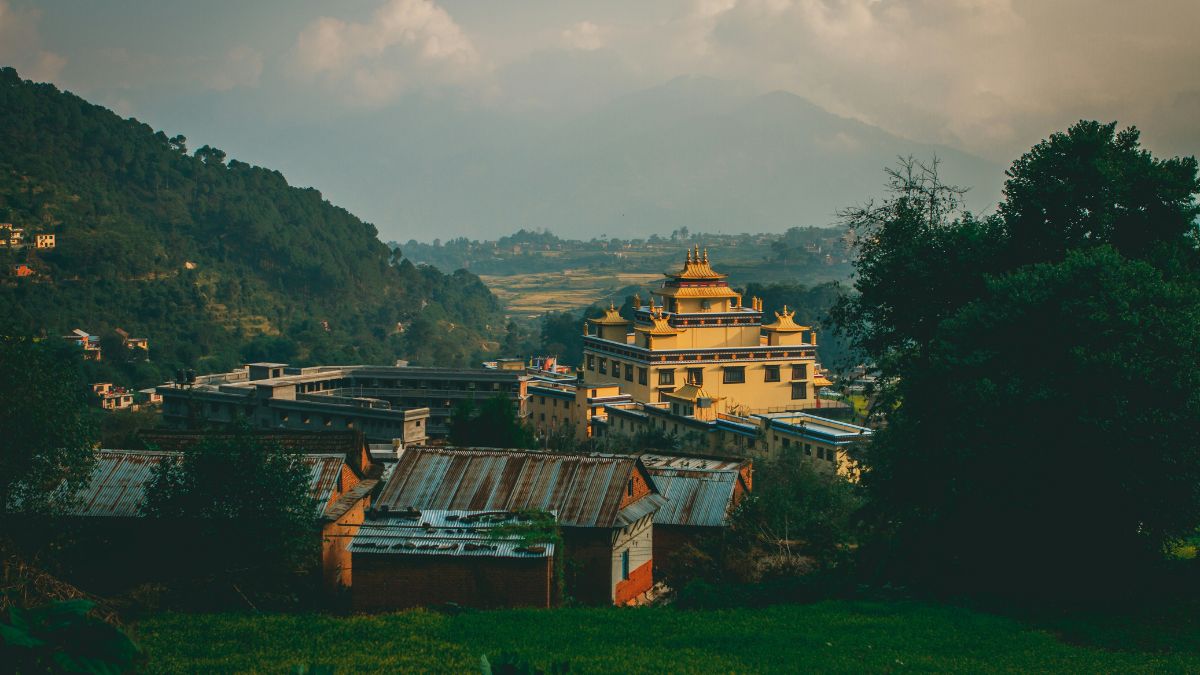
Still offbeat, Lohaghat’s terraced valleys shine beautifully during golden hour. It’s quiet, with hardly any tourists — just you, the fields, and the sound of village life.
Life and Culture in the Terraces
For locals, this season is not just about beauty, it’s survival. Harvest means storing rice, drying grains, and preparing for the long winter.
In Kumaon, the festival of Harela celebrates greenery and the cycle of crops. Women carry baskets from fields, men gather the harvest, and children race across glowing terraces. Watching this feels less like a photo opportunity and more like a glimpse of life that city travelers rarely see.
Best Time to Visit Uttarakhand: Month-by-Month Travel Guide (2025 Edition)
Best Time to Experience the Golden Terraces in Uttarakhand
Best Time
Late September to early October, once mid-October fog sets in, the magic fades.
How to Reach
- Delhi → Nainital → Mukteshwar/Kausani (8–10 hrs drive)
- Delhi → Rishikesh → Rudraprayag → Ukhimath/Chopta (10–12 hrs drive)
- Nearest rail: Haldwani/Kathgodam, then cabs/shared jeeps.
Where to Stay
- Homestays in Mukteshwar, Kausani, Ukhimath (₹800–1500/night).
- Simple guesthouses in Munsiyari and Lohaghat, many offer terrace views right from your balcony.
Travel Tips
- Carry warm layers, nights are chilly even in September.
- Sunrise (6–8 am) gives the best golden + fog contrast.
- Always ask before photographing fields; these are working farms, not tourist backdrops.
Why You Shouldn’t Wait
Most travelers chase snow in Auli or lakes in Nainital. But ask a farmer here, and they’ll smile and say: “Our real magic is when the fields turn to gold.”
By November, the glow is gone-bare terraces lie under mist. But right now, Uttarakhand wears its crown of gold. And if you’re lucky enough to see it, you’ll carry that glow long after the fog swallows it.