



Spiti Valley itinerary planning for 2025 is essential if you’re dreaming of high mountains, peaceful villages, and an unforgettable Himalayan road trip. This guide gives you the perfect 7 to 10-day plan to explore one of India’s most stunning regions.
Best Time to Follow This Spiti Valley Itinerary
- May to mid-October: Best for road trips (open from both Shimla & Manali)
- July–August: Beautiful greenery + waterfalls (but risky roads)
- September: Post-monsoon clarity, great weather for photos
Route Options for Planning Your Spiti Valley Itinerary
Route 1: Shimla – Kalpa – Nako – Tabo – Kaza – Manali (Full Circuit)
Gradual altitude gain | Scenic | Recommended for 10-day trips
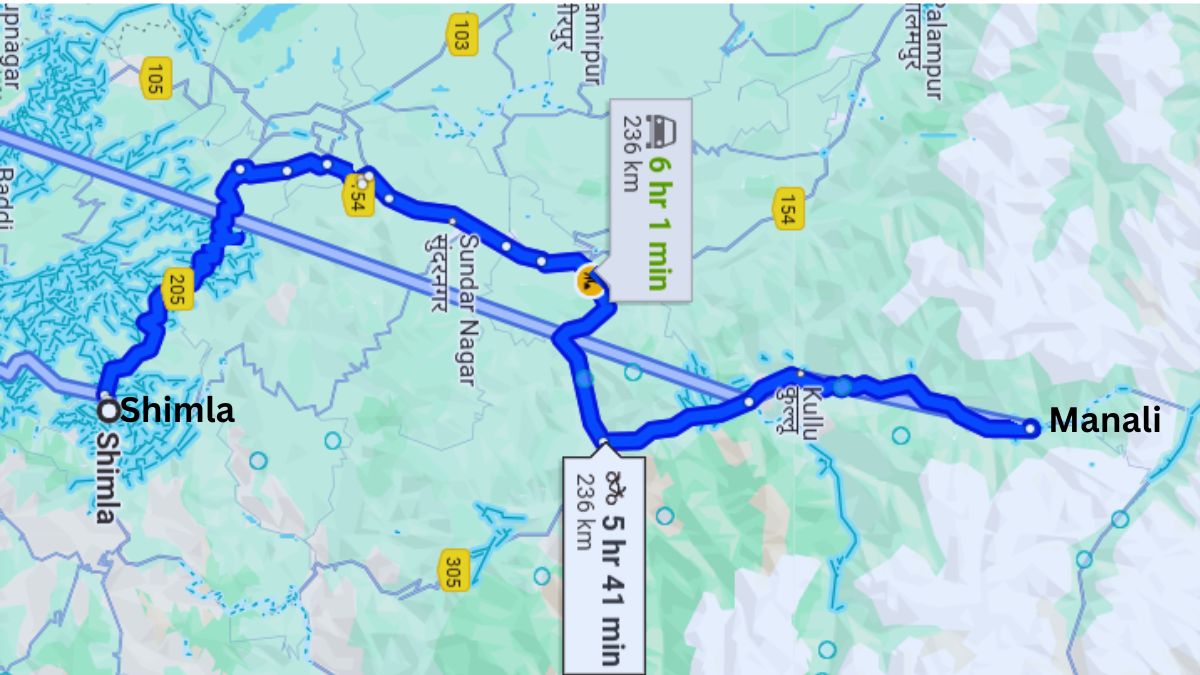

Route 2: Manali – Kaza – Spiti – Back to Manali
Tough roads | Not ideal for beginners | Best for a short 7-day trip
7-Day Spiti Valley Itinerary (via Manali Route)
Day 1: Manali to Kaza (via Atal Tunnel, Chhatru, Batal, Kunzum La)
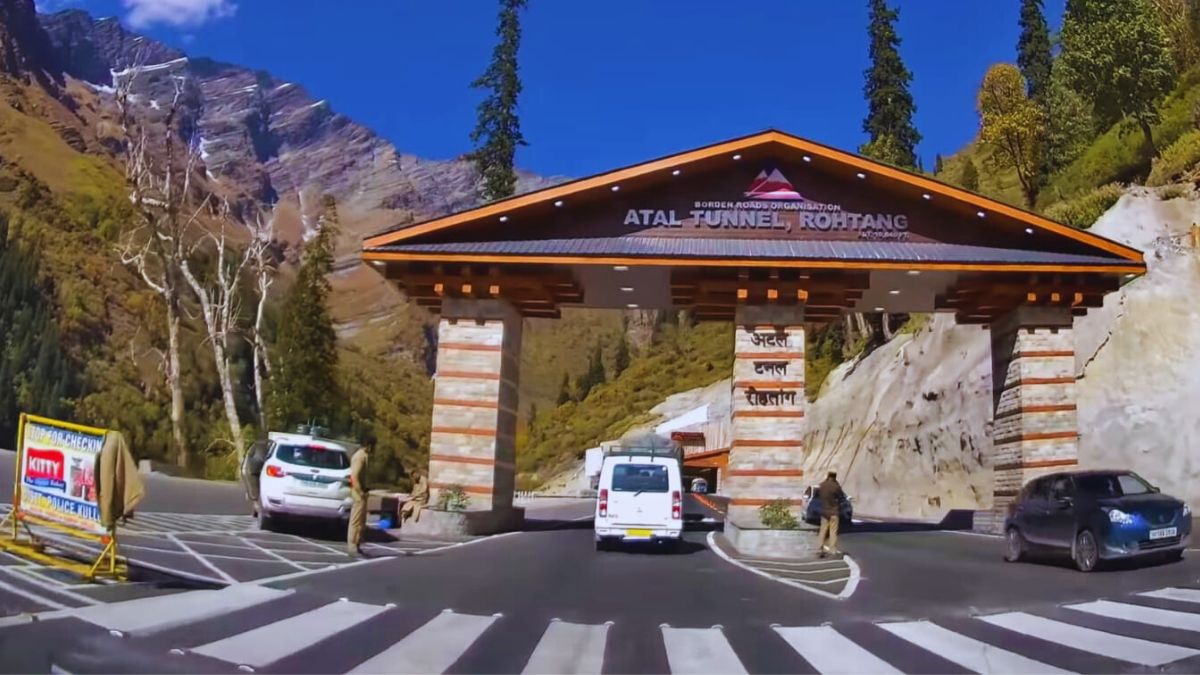
- Distance: ~200 km | Time: 8–10 hours
- Altitude gain: ~2,000 m to 3,800 m
- Start early (by 5–6 AM) to avoid water crossings getting deeper by afternoon.
Highlights:
- Atal Tunnel – Quick entry into the Lahaul region
- Chhatru & Batal – Stop for tea/snacks, riverside views
- Kunzum Pass (4,551 m) – Take a short walk to Kunzum Mata Temple
- Losar – First village in Spiti Valley
Tips:
- Carry snacks, water, and fuel from Manali
- Roads between Batal and Kunzum are rocky and narrow
- Stay overnight in Kaza — the main town and your base for Spiti exploration
Key Monastery, Kibber & Chicham – Day 2 of Spiti Valley Itinerary
- Distance: ~45–50 km round trip
- Time: 4–6 hours (with stops)
Must-visit places:
- Key Monastery (3,668 m) – Largest in Spiti, with prayer halls and stunning valley views
- Kibber Village – Formerly the highest village with its wildlife sanctuary
- Chicham Bridge – Asia’s highest suspension bridge above a deep gorge
Bonus: Spot a Himalayan ibex or blue sheep early morning in Kibber
Tips:
- Try local Thukpa or Momos at a monastery café
- Great spots for photography at sunset from the Key viewpoint
Day 3: Hikkim, Langza & Komic – Fossil Circuit in the Spiti Valley Itinerary
- Altitude: ~4,500 m
- Time: Full-day local trip (35–40 km total)
Visit:
- Hikkim – Send a postcard from the world’s highest post office
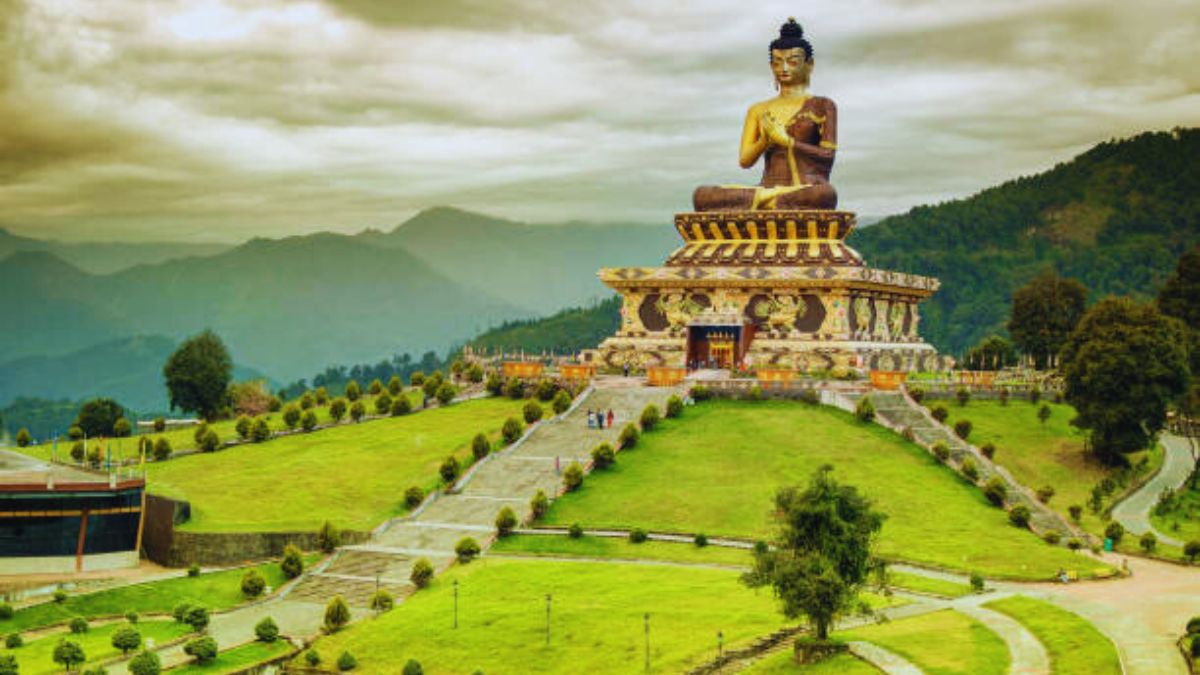
- Langza – Fossil village with a huge golden Buddha and views of Chau Chau Kang Nilda peak
- Komic – The Highest motorable village in the world (4,587 m), a small monastery worth visiting
Tips:
- Carry water/snacks; very few shops here
- Go slow — high altitude can cause breathlessness
- Talk to locals about their farming and fossil collection stories
Day 4: Kaza to Tabo – via Dhankar Monastery & Lake
- Distance: ~50–60 km
- Time: 4–5 hours with stops
Must-see:
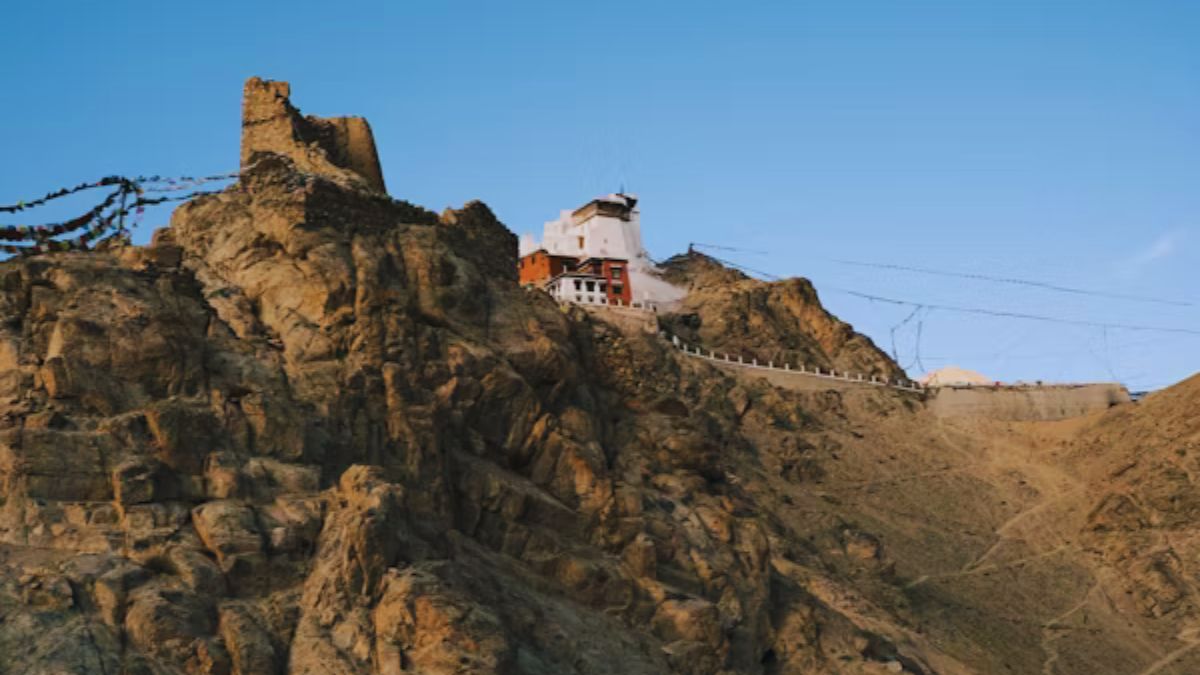
- Dhankar Monastery – Built on a cliff edge with valley views
- Dhankar Lake – 1.5–2 hr trek (moderate), peaceful and photogenic
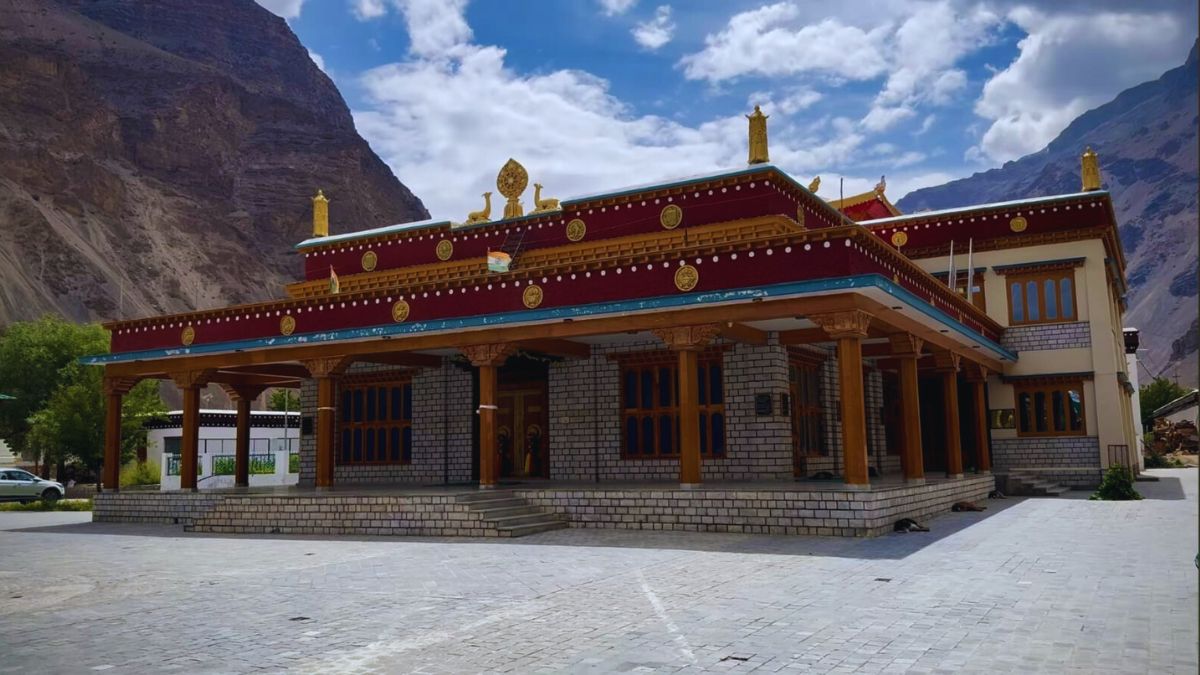
- Tabo Monastery – Over 1,000 years old, known as the ‘Ajanta of the Himalayas’
Stay: In Tabo village – peaceful, with local guesthouses
Tip:
- Visit Tabo Caves — ancient meditation chambers above the village
Day 5: Tabo to Chandratal Lake (via Kunzum Pass)
- Distance: ~120 km
- Time: 6–8 hours (rough roads)
- Altitude: 4,300 m
What to Expect:
- Cross Kunzum Pass again (beautiful from this side too)
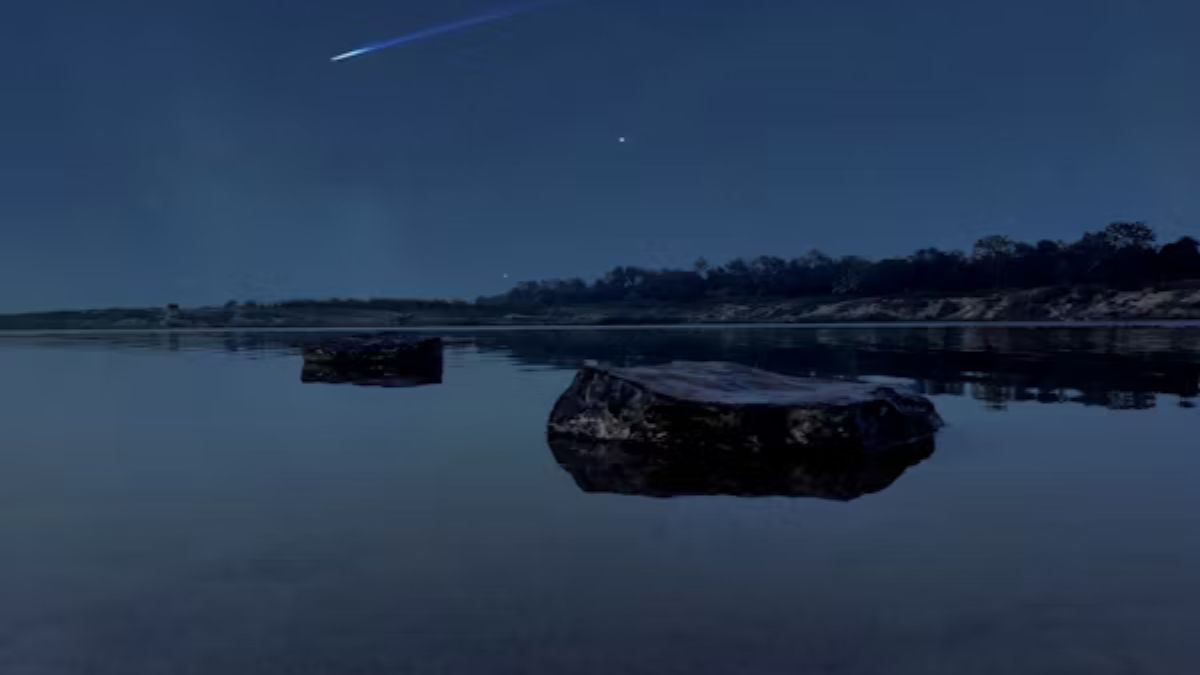
- Reach Chandratal Lake by late afternoon
- Short 10–15 min walk from parking to lake (no vehicles allowed)
Stay: Campsites near Chandratal — no network, no noise, just stars
Photography:
- Golden hour & night photography is stunning
- Carry a tripod and a wide-angle lens if you’re into astro shots
Tip:
- Carry a torch, a power bank, and warm clothes
- Campsites offer basic food like dal-rice, Maggi, and tea
Day 6: Chandratal to Manali
- Distance: ~125 km
- Time: 8–10 hours
- Return via the same Batal–Gramphoo route, through the Atal Tunnel
Stops and route:
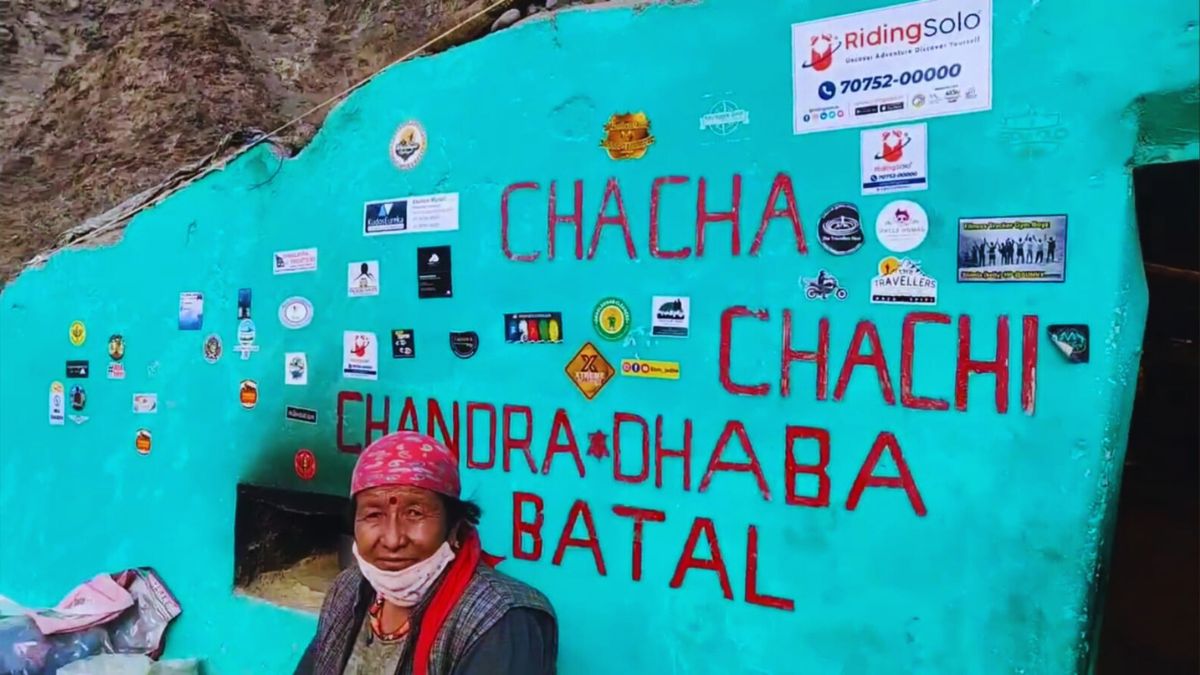
- Batal Dhaba (Chacha-Chachi) – Try their rajma rice or parathas
- River crossings near Chhatru can be tricky post 11 AM — leave early
Tip:
- Roads are narrow with waterfalls crossing — drive slowly
- Celebrate your return with café food in Old Manali!
Day 7: Rest day in Manali / Explore local spots
After six days of rugged beauty and high altitudes, take it slow.
- Visit Old Manali, Hidimba Temple, or chill by the river
- Or book a massage/spa in town to relax
10-Day Spiti Valley Itinerary (Extended Plan with Hidden Gems)
If you have 3 more days, include these:
- Day 8: Visit Gue Village – See the naturally preserved 500-year-old Mummy
- Day 9: Spend a night in Pin Valley – Green valley with wildlife, stay in Mud Village
- If you’re interested in going off the beaten path, check out our full list of Unexplored Places in Himachal Pradesh that offer even more serene escapes beyond Spiti.
- Day 10: Stay in Nako or relax in Kalpa, enjoy local food, and drive slowly back
Best Places to Visit in This Spiti Valley Itinerary
| Location | Why Visit |
|---|---|
| Key Monastery | Largest monastery, perched on a hill with epic views |
| Kibber | Wildlife sightings (snow leopards in winter), scenic village |
| Langza | Fossils, a giant Buddha, and rich local culture |
| Chicham Bridge | Stunning engineering at 13,500 ft |
| Dhankar | Ancient monastery + lake trek with surreal views |
| Tabo | UNESCO heritage site, art-filled monastery |
| Chandratal Lake | Crescent-shaped high-altitude lake (add this if going via Manali) |
| Gue Village | Famous for the 500-year-old mummified monk |
| Pin Valley | A hidden green valley with mud houses and rare animals |
| Chitkul | Last village on the Indo-Tibet border, postcard-perfect setting |
Where to Stay During Your Spiti Valley Itinerary
| Place | Budget Stay | Mid-range Stay |
|---|---|---|
| Kaza | Zostel, Zomsa | Hotel Deyzor |
| Tabo | Tabo Monastery Guesthouse | Tashi Khangsar |
| Chitkul | Sunny Guesthouse | The Wanderers Nest |
| Kalpa | Kalpa Retreat | Grand Shambala |
| Nako | Lovon Homestay | Reo Purguil Camp |
| Pin Valley | Tara House, Mud | Ibex Homestay |
Budget for Spiti Valley Itinerary – Fuel, Food & Stay
| Expense | Cost (7 Days) | Cost (10 Days) |
|---|---|---|
| Fuel | ₹3,500–₹5,000 | ₹5,500–₹7,000 |
| Stay | ₹3,000–₹6,000 | ₹5,000–₹9,000 |
| Food | ₹2,000–₹3,000 | ₹3,000–₹4,500 |
| Permits | ₹200–₹600 | Same |
| Total | ₹9,000–₹14,000 | ₹14,000–₹20,000 |
You can find reliable guesthouses and hotels in Kaza, Tabo, and Nako on platforms like Booking.com.
For budget-friendly stays with a backpacker vibe, check out Zostel Kaza – a popular hostel among solo travelers and digital nomads.
Permits Needed for Your Spiti Valley Itinerary
- Rohtang Pass Permit (if entering via Manali) – Available online
- No permits required via the Shimla route
What to Pack for a Spiti Valley Itinerary in 2025
- Warm clothes (even in summer)
- Rain jacket (July-August)
- Water bottle, sunscreen, lip balm
- Basic medicines
- BSNL/Jio SIM
- Offline maps (Google Maps, MapMyIndia)
Travel Tips to Make the Most of Your Spiti Valley Itinerary
- Don’t drive at night – roads are remote and risky
- Carry cash – limited ATMs after Rampur
- Fuel up whenever possible – long gaps between pumps
- Acclimatize properly – take it slow
- Stay hydrated and avoid alcohol at high altitudes
Frequently Asked Questions (FAQs) About Spiti Valley Itinerary
- What is the distance from Delhi to Spiti Valley?
The distance from Delhi to Spiti Valley (via Shimla route) is approximately 750–800 km and takes 2 days by road with an overnight halt (usually in Narkanda or Rampur). If you take the Manali route, it’s about 700 km, but the terrain is steeper and riskier. The Shimla route offers a gradual ascent and is safer for acclimatization.
- What is the best time to visit Spiti Valley?
The best time to visit Spiti Valley is from May to mid-October. During this period, both the Manali and Shimla routes are open, and the weather is favourable for road trips, sightseeing, and trekking. September is ideal for photography and fewer crowds, while July–August brings lush greenery and waterfalls (but riskier roads).
- Can I visit Spiti Valley in winter?
Yes, but it’s challenging. Spiti Valley in winter (November to March) is accessible only via Shimla, as the Manali route closes due to heavy snowfall. Winter in Spiti is harsh, with temperatures dropping to -20°C or lower. Only a few homestays remain open, mostly in Kaza, and you need to be well-prepared for extreme cold, isolation, and minimal facilities.
- Are there Spiti Valley tour packages available?
Yes, multiple Spiti Valley tour packages are available for different durations (5–10 days), budgets, and interests (road trips, group tours, biking, trekking). Popular platforms offering Spiti packages include Thrillophilia, MakeMyTrip, WanderOn, and local Himachal operators. Packages usually include transport, accommodation, meals, and permits.
- Are there trekking options in Spiti Valley?
Absolutely. Spiti Valley offers several treks that range from beginner to advanced levels. Popular options include:
- Dhankar Lake Trek – Easy, 1.5 hrs round trip
- Pin Parvati Pass Trek – Advanced, 9–10 days
- Parang La Trek (Kaza to Tso Moriri, Ladakh) – For seasoned trekkers
- Langza to Komic Ridge Walk – Moderate, with great views
Trekking in Spiti requires good fitness and proper acclimatization due to high altitudes.
For detailed trek routes like Pin Parvati Pass and Parang La, you can explore Indiahikes trekking guides.
Final Thoughts – Is This Spiti Valley Itinerary Worth It?
Spiti Valley is raw, real, and unforgettable. Whether you take the 7-day adventure or a 10-day circuit, this itinerary gives you the perfect mix of top spots, hidden gems, and easy-to-follow travel tips. Bookmark this guide for your 2025 trip — and go enjoy one of India’s most magical destinations.